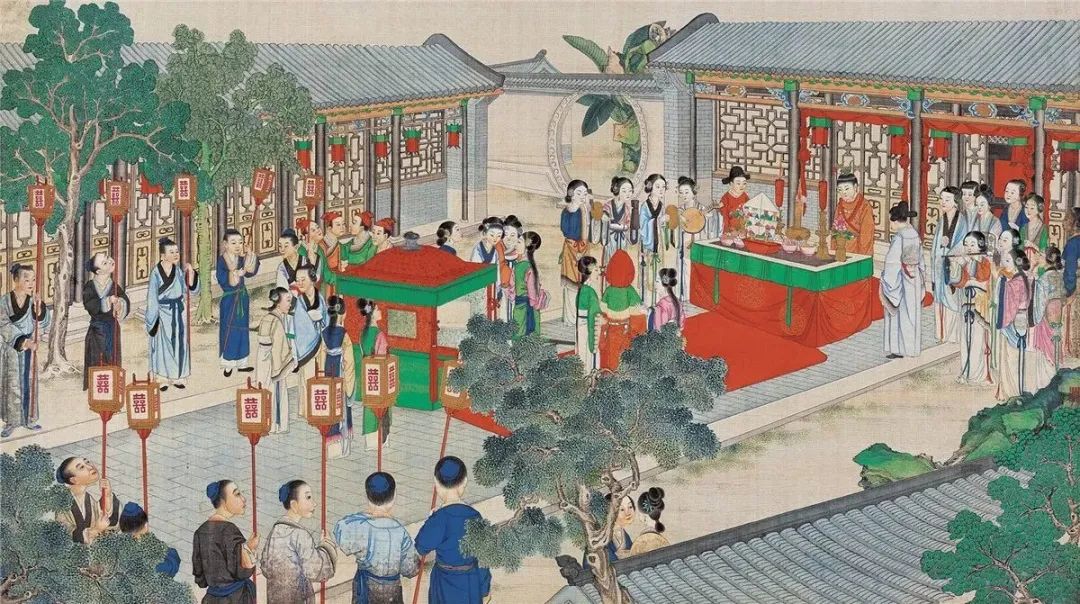
A Dream of Red Mansions
Introduction
A Dream of Red Mansions, also known as The Story of the Stone, stands as one of China's most revered literary masterpieces and an integral piece among the four great classical novels of Chinese literature. Written in the 18th century during the Qing Dynasty (1644-1911) by Cao Xueqin, this voluminous work offers a profound exploration into the socio-political tapestry, familial structures, and the intricate web of human emotions and relationships within feudal China. The novel deftly intertwines themes of love, loss, destiny, and the pursuit of happiness amidst the inevitable decay and downfall of a noble family.
Historical Context and Authorship
Cao Xueqin, the acknowledged author of the initial 80 chapters, hailed from a family with a history of wealth and influence, which later fell from grace. The novel is believed to be semi-autobiographical, reflecting Cao's personal experiences and insights into the social mores and intricacies of the time. Subsequent efforts to complete the novel's remaining 40 chapters were undertaken by Gao E, though debates about authorship and authenticity continue among scholars. Set against the backdrop of Qing Dynasty China, the novel encapsulates the decadence and decline of the Jia clan, a fictional representation likely inspired by Cao's familial narrative.
Plot Synopsis
The narrative primarily follows the fortunes of Jia Baoyu, the pampered scion of the Jia family, as he navigates the complexities of love, duty, and societal expectations. Central to the plot are Baoyu's relationships with two of his cousins: the ethereal and fragile Lin Daiyu and the pragmatic and graceful Xue Baochai. Their intertwined lives, romantic entanglements, and the eventual unraveling of the Jia family's fortunes serve as a microcosm for the broader themes of human frailty and the ephemeral nature of happiness and wealth.
Themes and Motifs
Social Hierarchy and Decline
A Dream of Red Mansions offers a penetrating critique of the rigid social hierarchies and the inevitable decline of aristocratic families in feudal China. Through the rise and fall of the Jia family, the novel examines the fragility of status and the transient nature of power.
Gender and Identity
The novel devotes significant attention to the lives and destinies of its female characters, portraying them with depth and empathy. It critiques the gender norms of the era, highlighting the constraints women faced and their resilience in navigating a patriarchal society.
Love and Illusion
At its heart, the novel is a poignant exploration of love in its many forms—romantic, familial, and platonic. It delves into the illusion and disillusionment that accompany love, underscoring the tension between personal desires and societal expectations.
Philosophical and Spiritual Undertones
Infused with elements of Confucianism, Taoism, and Buddhism, the novel contemplates existential themes, including the search for enlightenment and the acceptance of life's impermanence.
Adaptations and Influence
A Dream of Red Mansions has inspired countless adaptations across various media, including traditional Chinese operas, television dramas, films, and stage productions. It has also served as a rich source of inspiration for artists, composers, and writers both within China and internationally. The novel's intricate narrative and vivid characterizations continue to resonate with audiences, affirming its enduring legacy in the literary canon.
Stage and Screen
Among the numerous adaptations, notable ones include the 1987 television series, which remains a treasured rendition in China, and various opera productions that have interpreted the novel's themes through classical Chinese music and performance arts. Recent years have seen innovative reinterpretations, such as dance dramas and Western operas, which bring the novel to new audiences while respecting its cultural essence.
International Recognition
The novel has transcended cultural boundaries, with translations in multiple languages and scholarly analyses that explore its thematic richness and narrative complexity. Its universal themes of love, loss, and societal change have found resonance with readers worldwide.
Cultural Impact
The novel's impact extends beyond literature, influencing Chinese culture, art, and society. It has become a cultural touchstone for discussions on gender, social change, and the human condition. Exhibitions, scholarly conferences, and cultural festivals dedicated to A Dream of Red Mansions reflect its ongoing significance and the continuous exploration of its multi-layered narrative.








